
Prepare for the Journey to the Mountain’s Peak
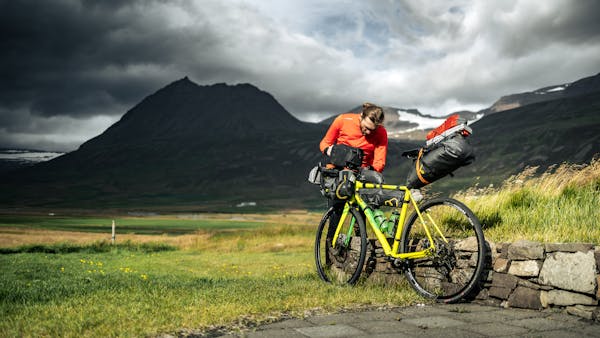
Reaching the peak of a mountain is an exhilarating experience. The breathtaking views, the fresh mountain air, and the sense of accomplishment make every step worth it. However, to truly savor this adventure, it is essential to prepare for the mountain’s peak journey adequately. A successful summit requires not only physical readiness but also mental fortitude and a well-thought-out plan. Here’s how to ensure you’re primed for the challenge ahead.
Understanding the Terrain
The first step in getting ready for the mountain summit is understanding the terrain you will encounter. Each mountain presents unique challenges, from rocky paths and steep inclines to unpredictable weather. Research the specific trail, including its elevation gain, trail conditions, and any technical sections that may require specialized skills or equipment.
A detailed map or GPS can be invaluable for navigating the course. Additionally, consider reaching out to fellow hikers who have recently completed the trail. Their insights can provide practical information about what to expect and how to tackle any tricky spots. Knowing the trail helps mentally prepare for the obstacles you might face along the way.
Physical Preparation: Training for Success
One of the most critical aspects of preparing physically for the mountain trek is establishing a training regimen well in advance of your hike. Aim to build your endurance, strength, and flexibility to tackle the demanding ascent. A well-rounded fitness program should incorporate cardiovascular workouts, strength training, and flexibility exercises.
Cardiovascular Endurance
To acclimatize your body for the trek, include activities that raise your heart rate, such as running, cycling, or swimming. Aim for at least three to five cardio sessions per week, gradually increasing the duration and intensity. Consider incorporating interval training, where you alternate between high-intensity bursts and lower-intensity recovery periods, to improve stamina.
Strength Training
Mountain climbing requires significant lower body strength, particularly in the legs, core, and glutes. Exercises like squats, lunges, and deadlifts can build the muscle strength necessary to navigate steep inclines. Don’t neglect your upper body; climbing requires grip strength and stability, so incorporate pull-ups, push-ups, and rows into your regimen.
Flexibility and Balance
Flexibility can significantly enhance your hiking experience by reducing the risk of injury. Incorporate yoga or stretching routines into your training to improve your overall flexibility and balance. This practice can help with navigating uneven surfaces and maintaining stability during the climb.
Practice Hikes
Before embarking on the actual mountain trek, it’s beneficial to undertake practice hikes. Start with shorter, less demanding trails and gradually increase the distance and elevation. These training hikes help familiarize your body with the movement patterns of climbing, allowing you to fine-tune your gear and assess your physical readiness.
Mental Fortitude: Preparing Your Mind
Climbing a mountain is as much a mental challenge as it is a physical one. Preparing mentally can make all the difference when faced with exhaustion, discomfort, or unexpected obstacles.
Visualization Techniques
Use visualization techniques to mentally prepare for the journey ahead. Picture yourself successfully reaching the summit, experiencing the sights and feelings associated with this achievement. This positive imagery can foster a sense of confidence and determination, setting the tone for your trek.
Setting Realistic Goals
It’s important to set achievable goals for your hike. Understand your physical limits and be willing to adjust your plans as necessary. Perhaps the goal is simply to reach a specific viewpoint along the trail rather than the summit itself. Embracing a flexible mindset can alleviate pressure and help maintain motivation throughout the journey.
Mindfulness and Breathing
Practicing mindfulness and deep-breathing exercises can enhance focus and resilience during the hike. When fatigue sets in, these techniques can help calm your mind and center your thoughts. Taking moments to pause, breathe, and appreciate your surroundings can also elevate the overall experience.
Packing the Essentials
Preparation is incomplete without packing the right gear. Your backpack should contain everything you need for the hike while remaining light enough for comfort.
Clothing
Layering is essential for mountain treks, as temperatures can fluctuate dramatically. Start with moisture-wicking base layers to keep sweat away from your body. Insulating layers will provide warmth, and a waterproof outer layer will shield you from rain or wind. Don’t forget a wide-brimmed hat, gloves, and good-quality sunglasses to protect against sun exposure.
Food and Water
Nourishing your body during the hike is crucial for maintaining energy levels. Pack lightweight, high-energy snacks such as trail mix, energy bars, or dried fruits. Consider packing a lightweight meal if your trek is extended. Hydration is equally important; ensure you have a reliable water supply or a filtration system to replenish your fluids along the way.
First-Aid Kit and Emergency Supplies
Always carry a well-stocked first-aid kit to address minor injuries or ailments. Additionally, bring essential emergency supplies, including a multi-tool, whistle, flashlight, and emergency blanket. These items can be lifesavers should you encounter any unexpected situations on your trek.
Safety First
Safety should be a top priority throughout your journey. Before embarking, check the weather forecast and be prepared for any changes. Consider hiking with a partner or group, as shared experiences can enhance safety and provide encouragement along the way. Inform someone about your hiking plans and estimated return time.
Additionally, familiarize yourself with basic navigation skills. Understanding how to read a map and use a compass can be invaluable, especially in areas where trails are less marked.
Embrace the Adventure
Preparing for a mountain journey is a multifaceted process that encompasses physical training, mental readiness, and thoughtful planning. By following these steps, you can ensure a more enjoyable and successful experience as you tackle the mountain’s challenges.
Whether it’s your first ascent or a seasoned expedition, remember that the journey is just as important as the destination. Embrace each moment, relish the beauty of the surroundings, and celebrate the triumphs, big or small. After all, every step taken on the path to the mountain’s peak contributes to the adventure of a lifetime.