
Top Silver Jewelry Making Tips for Stunning Handmade Pieces
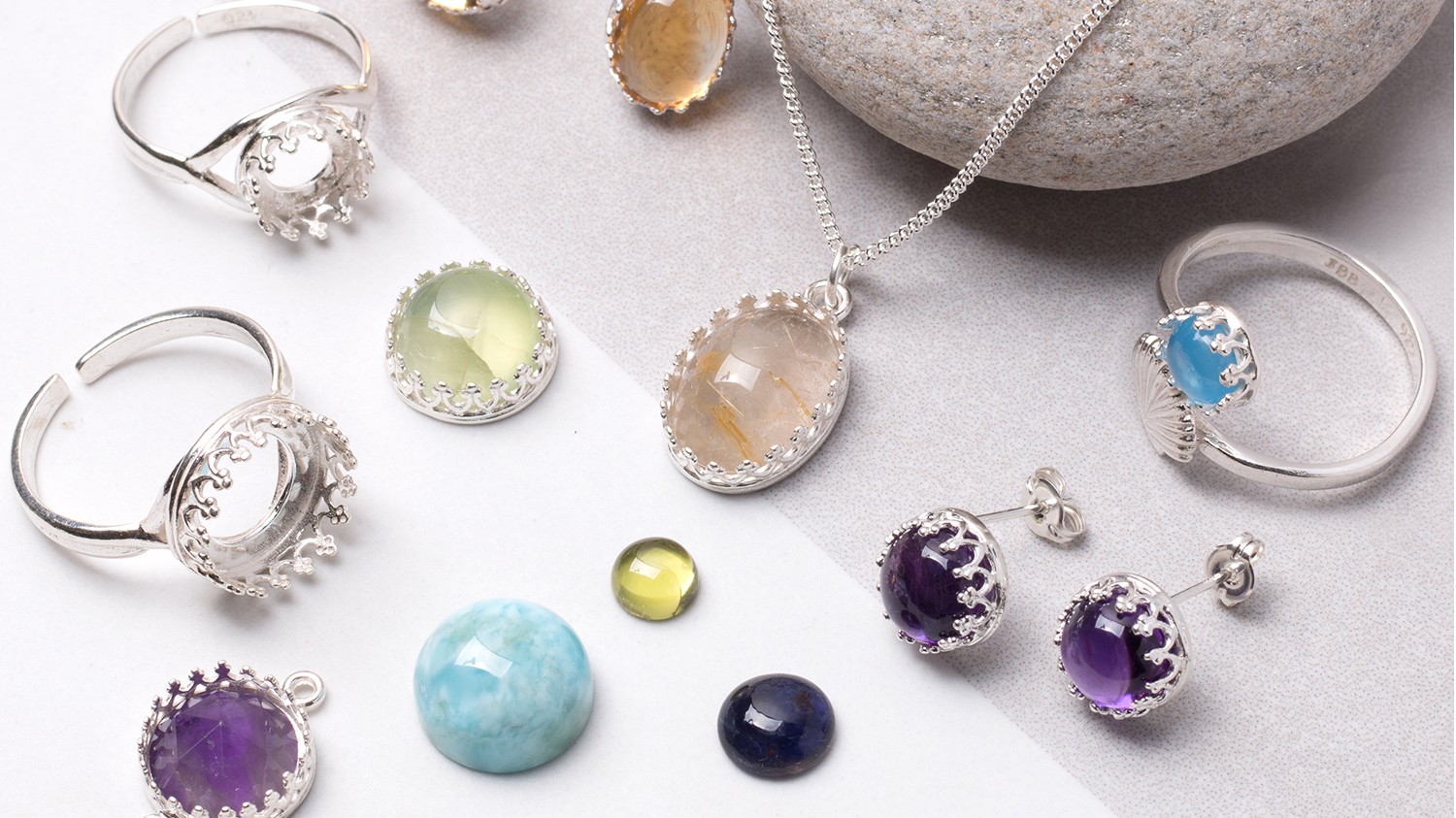
The timeless elegance of silver has enchanted artisans and collectors alike for centuries. Its malleability, radiant luster, and enduring appeal make it a favorite medium among jewelry makers, especially those crafting bespoke treasures by hand. Whether you’re a novice exploring a new hobby or a seasoned artisan refining your skills, mastering a few essential techniques can elevate your creations from simple adornments to captivating heirlooms.
Understand Your Silver
Before diving into tools and techniques, it’s crucial to understand the material itself. Silver used in jewelry making is typically sterling silver, composed of 92.5% pure silver and 7.5% other metals (usually copper) to increase its durability. It’s ideal for intricate designs and daily wear, offering both beauty and strength.
Choose the Right Tools
Quality tools can make or break your Silver Jewelry Making experience. Invest in:
- Jeweler’s saw with various blades for precision cutting
- Needle files for detailed shaping and smoothing
- Mandrels for ring and bracelet forming
- Pliers (round nose, flat nose, chain nose) for bending, twisting, and holding
- Soldering kit, including a torch, flux, and solder
- Polishing cloths and a rotary tool for a mirror-like finish
Learning to use these tools efficiently is fundamental. Hands-on sessions, such as a Ubud Ring Making Class, offer immersive opportunities to become acquainted with them.
Embrace the Art of Soldering
Soldering is the cornerstone of Silver Jewelry Making. It’s the process of joining metal parts together with a filler metal (solder) that has a lower melting point than silver. Flux prevents oxidation, while careful torchwork ensures clean joins.
Maintain a clean workspace and keep your torch flame steady and controlled. Using the right type of solder hard, medium, or easy at different stages of assembly can prevent previous joints from melting. Clean your pieces with a pickle solution after soldering to remove fire scale.
Design with Intention
Design is the soul of any jewelry piece. Sketch ideas beforehand, focusing on balance, symmetry, and wearability. Consider how your design interacts with light polished silver glows with brilliance, while a hammered texture offers a more rustic charm.
If inspiration escapes you, a visit to Bali’s artisan villages or joining an Ubud Silver Class can provide a wealth of ideas. Surrounded by skilled local craftsmen and traditional techniques, you’ll witness how culture breathes life into each creation.
Perfect Your Finishing Techniques
Polishing and finishing are where your piece transitions from good to glorious. Use a series of sandpapers with increasing grit to remove scratches. Then switch to polishing compounds like rouge or tripoli for that signature silver gleam.
Texturing is another way to add personality. Try techniques like:
- Hammering: Adds a dimpled, organic look
- Brushing: Achieves a matte, understated surface
- Oxidizing: Introduces contrast and an antique appearance
Hand-finishing each piece ensures individuality, something machines can’t replicate.
Experiment with Stone Setting
Integrating gemstones elevates your jewelry’s aesthetic. Start with bezel settings, the most forgiving for beginners. A thin strip of silver encircles the stone, then is pushed gently over the edges to hold it securely.
Cabochons gemstones with a smooth, rounded surface are especially forgiving and work wonderfully in handcrafted rings. Attending a Ubud Ring Making Class can teach you these settings hands-on, offering insights that books and videos often miss.
Safety First
In the gleaming excitement of silver crafting, safety must never be an afterthought. Always wear safety glasses when sawing or using rotary tools. Work in a well-ventilated space, especially when soldering. Keep a fire extinguisher nearby and ensure all tools are maintained to prevent accidents.
Also, be cautious when using chemical solutions like liver or pickle pots. Gloves and aprons can protect your skin and clothing from unexpected splashes or heat exposure.
Join a Creative Community
The solitary joy of working at your bench can be enhanced by joining a creative tribe. Engaging in workshops, such as an Ubud Silver Class, connects you with like-minded artisans. These sessions are not only skill-building but deeply inspirational, encouraging innovation and cultural exchange.
Ubud, with its lush surroundings and rich heritage, offers an ideal setting to explore new techniques, guided by master silversmiths. These immersive experiences help develop finesse while immersing you in Bali’s vibrant artistic traditions.
Maintain Your Tools and Materials
Proper care extends the life of your tools and ensures consistent results. Clean files with a file card regularly, oil your saw blades to prevent rust, and store silver in airtight containers to reduce tarnishing. When not in use, wrap your work-in-progress in anti-tarnish cloths or zip-lock bags to protect their shine.
Keep Learning
The journey of a silversmith is ever-evolving. There’s always a new technique, trend, or tool to explore. Subscribe to jewelry-making magazines, attend exhibitions, and participate in retreats or global artisan gatherings. Staying curious keeps your work fresh and invigorated.
Studying abroad or taking part in intensive classes, like a Ubud Ring Making Class, enriches your skill set in ways that solitary practice often cannot. Under expert guidance, you’ll uncover nuances that accelerate your craftsmanship.
Final Thoughts
Silver Jewelry Making is a blend of artistry, science, and soul. Each piece you create carries a whisper of your story, a reflection of your hands, and a spark of your imagination. Whether you’re selling your designs, gifting them to loved ones, or creating for the pure joy of making, the path of silver crafting is as rewarding as it is radiant.
So gather your tools, let inspiration guide your hands, and consider immersing yourself in the charm of an Ubud Silver Class where the magic of tradition meets the artistry of the modern maker.