
Beyond the Horizon: Navigating the Transition from Flight School to the Airline Flight Deck
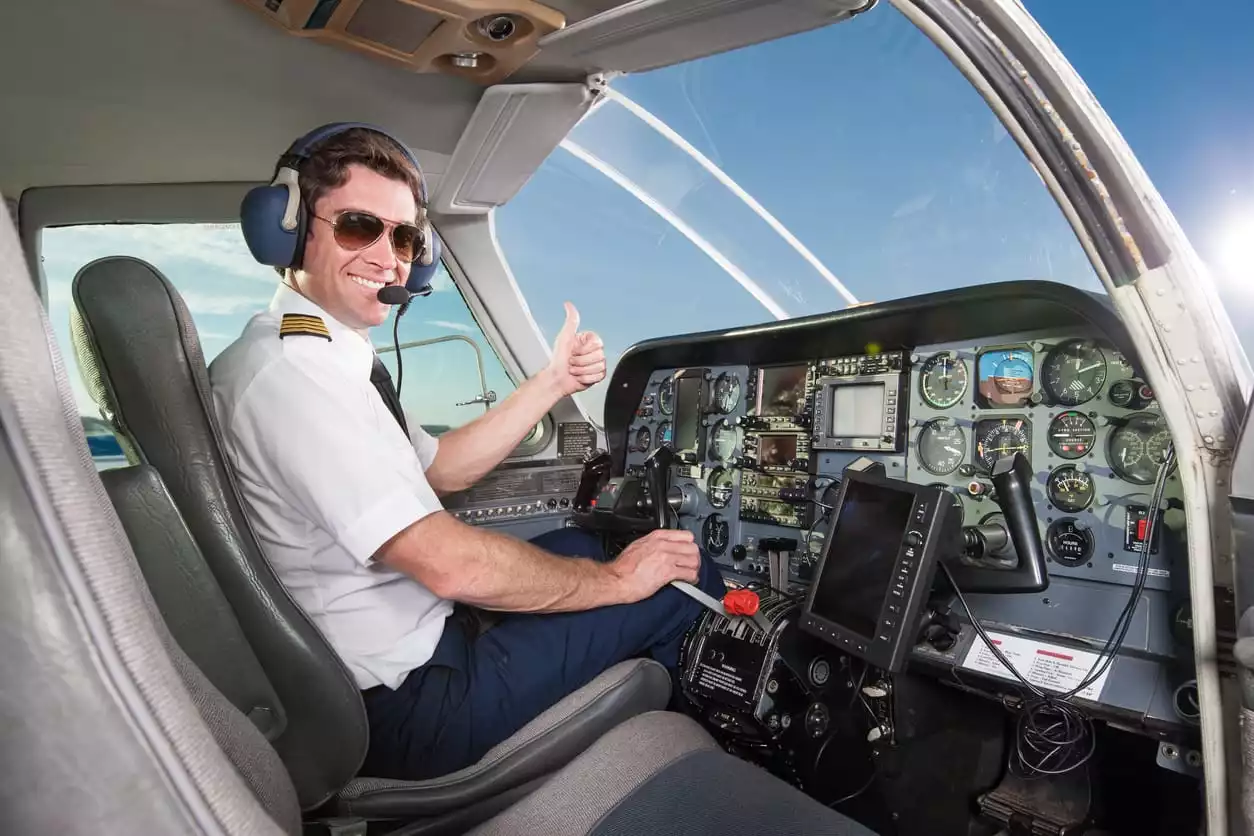
For many aspiring aviators, the journey into the clouds begins with a singular vision: sitting in the flight deck of a massive commercial airliner, navigating international waypoints, and wearing the stripes of a captain. However, the path from a local flight school to a major airline career is not a single leap; it is a meticulously structured progression of certifications, experience building, and professional networking. While flight schools in Florida provides the foundational skills of stick-and-rudder flying, the transition to a commercial pilot job requires a shift in mindset from being a student to becoming a professional manager of complex systems. Understanding the milestones of this journey is essential for any pilot looking to turn their passion for flight into a lifelong career in the sky.
Securing the Essential Licenses and Ratings
The first phase of the transition occurs within the flight school environment, where a student must systematically collect the necessary credentials required by civil aviation authorities. This process usually begins with the private pilot license, followed by an instrument rating, which allows a pilot to fly through clouds and solely by reference to instruments. While these are foundational, the pivotal moment for a career-minded pilot is the acquisition of the commercial pilot license. This certification officially allows an individual to be compensated for their flying services, marking the technical beginning of their professional life.
Beyond the basic commercial certificate, most airline-bound pilots pursue a multi-engine rating and a certified flight instructor certificate. The multi-engine rating is critical because almost all commercial airliners utilize two or more engines, and pilots must demonstrate proficiency in handling engine failures in these complex aircraft. The flight instructor certificate, while optional for some, is the most common tool used to bridge the significant gap between the hours earned at graduation and the thousands of hours required by major airlines. It forces a pilot to master the fine details of aviation theory and safety, cementing their knowledge as they teach the next generation.
The Bridge: Building the Necessary Flight Hours
One of the most daunting aspects of the transition is the flight hour requirement. In many regions, a pilot graduating from flight school may have between two hundred and three hundred hours of total time, while regional and major airlines often require much higher minimums for their first officers. This period is often referred to as the time-building phase. During this stage, pilots take on various entry-level roles to gain experience in real-world weather, busy airspace, and diverse operational environments.
In addition to flight instructing, many pilots find work in aerial photography, banner towing, or pipeline patrol. Others may find roles as first officers for small charter companies or cargo operators flying smaller turboprop aircraft. This phase is about more than just watching the numbers climb on a logbook; it is about developing the maturity and decision-making skills that come from facing mechanical issues, challenging air traffic control instructions, and changing weather patterns. Airlines look for pilots who have been tested by the reality of the aviation environment and have demonstrated a consistent commitment to safety.
Transitioning to a Professional Crew Environment
Perhaps the most significant change when moving from a flight school to an airline is the shift from single-pilot operations to a multi-crew environment. In flight school, the student is often the sole decision-maker. In a commercial airline setting, the operation is built on Crew Resource Management, or CRM. This philosophy emphasizes communication, teamwork, and the effective use of all available resources to ensure the safety of the flight.
During the transition, pilots must learn to work effectively with a captain, flight attendants, dispatchers, and ground crews. This requires a high degree of emotional intelligence and the ability to follow standard operating procedures with precision. Airlines prioritize candidates who show they can be a productive member of a team and who understand that their role is to support the overall safety and efficiency of the flight. Developing these “soft skills” is just as important as maintaining technical flying proficiency, as a pilot’s ability to work within a team is a major focus during the airline interview process.
Conclusion
The journey from a flight school student to a commercial airline pilot is a marathon that tests an individual’s perseverance, skill, and professionalism. It is a path defined by constant learning and the gradual accumulation of experience, moving from simple single-engine trainers to the sophisticated glass cockpits of modern jets. While the licenses and flight hours are the tangible markers of progress, the true transition lies in the development of a professional pilot’s character and their ability to operate safely within a complex, global system. For those who remain dedicated to the process, the reward is a career that offers a unique perspective on the world and the unparalleled satisfaction of command in the clouds. The transition is challenging, but for the pilot who loves to fly, every hour spent building experience is a step toward a fulfilling life in aviation.