
The Rise of High-Tech Hotels: Where Innovation Meets Luxury
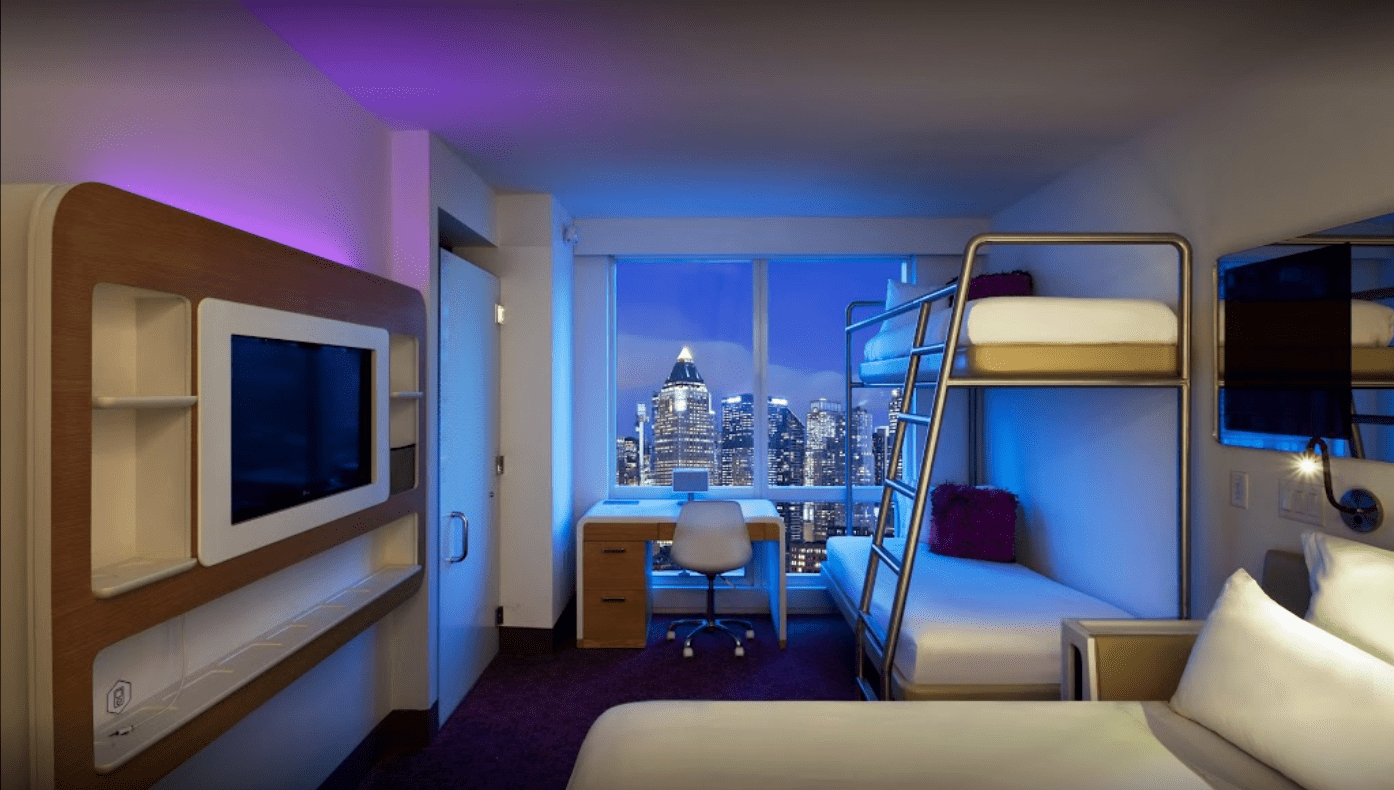
In today’s hyper-connected world, the hospitality industry is undergoing a technological revolution. High-tech hotels, often called “smart hotels”, are redefining what it means to travel in comfort, blending luxury with cutting-edge innovation and the latest hospitality tech products. From AI-powered concierges to fully automated rooms, these futuristic properties are designed to deliver seamless, personalized experiences for modern travelers.
At the core of this transformation is the integration of technologies like artificial intelligence (AI), the Internet of Things (IoT), mobile apps, and automation systems. These tools allow guests to control everything from lighting and temperature to entertainment and room service with a simple voice command or smartphone tap . The result? A stay that feels intuitive, efficient, and highly personalized.
This article explores some of the top high-tech hotels around the world and the innovations that make them stand out.
What Makes a Hotel “High-Tech”?
Before diving into specific examples, it’s important to understand what defines a high-tech hotel. These properties go beyond offering fast Wi-Fi or smart hospitality TVs, they create a fully integrated digital ecosystem.
Key features often include:
- Smart room controls: Guests can adjust lighting, curtains, and climate through apps or voice assistants
- AI-powered services: Chatbots and robots handle check-ins, concierge duties, and room service
- Contactless experiences: Mobile check-in, digital keys, and facial recognition streamline arrival
- Personalization: Rooms adapt automatically to guest preferences using data and sensors
- Immersive entertainment: Virtual reality (VR), holograms, and interactive systems enhance the stay
These innovations aren’t just about novelty, they improve convenience, efficiency, and guest satisfaction.
1. Henn na Hotel (Tokyo, Japan)
One of the most famous high-tech hotels in the world, Henn na Hotel is often described as a glimpse into the future of hospitality.
What makes it unique is its robot-powered workforce. Guests are greeted by multilingual robots, including dinosaur-themed receptionists, and can check in using facial recognition technology. Robot porters carry luggage, while automated systems handle everything from room temperature to lighting.
Beyond its novelty, the hotel demonstrates how automation can reduce operational costs while enhancing efficiency. It’s a bold experiment in what a fully automated hotel could look like.
2. Eccleston Square Hotel (London, UK)
Widely recognized as one of Europe’s most technologically advanced boutique hotels, Eccleston Square Hotel blends historic charm with futuristic innovation.
Each room features:
- Smart glass bathroom walls that turn opaque on demand
- Adjustable, massage-enabled beds
- Tablet-controlled lighting, climate, and entertainment systems
This hotel shows that high-tech doesn’t have to mean impersonal. Instead, it enhances comfort and customization, creating a highly tailored guest experience.
3. W Singapore – Sentosa Cove (Singapore)
The W Singapore takes a more lifestyle-oriented approach to technology. Rather than focusing solely on automation, it integrates tech into entertainment and ambiance.
Highlights include:
- Underwater sound systems in the pool
- LED lighting that changes the mood across the property
- Private DJ booths in luxury suites
This approach demonstrates how technology can elevate leisure and design, not just convenience .
4. NH Collection Berlin Friedrichstrasse (Germany)
A favorite among business travelers, this hotel pushes the boundaries of meeting technology.
Its standout feature is holographic conferencing, which allows 3D projections of participants in meetings or presentations. This creates a more immersive and engaging alternative to traditional video calls.
As remote work continues to grow, innovations like this could redefine business travel and corporate events.
5. Morpheus Hotel (Macau, China)
The Morpheus Hotel is not only architecturally stunning but also technologically advanced. Located in the City of Dreams complex, it incorporates intelligent systems throughout its design.
Guests benefit from:
- Automated room controls
- Smart service systems
- Integrated entertainment experiences
This hotel represents the intersection of architecture, luxury, and smart technology, offering a holistic futuristic experience .
6. CitizenM Hotels (Global)
CitizenM has built its brand around smart technology and affordability. With locations in major cities worldwide, it offers a consistent high-tech experience at a relatively accessible price point.
Each room includes:
- A tablet that controls lighting, temperature, and media
- Mobile check-in and check-out
- Streamlined, automated services
This model proves that high-tech hospitality isn’t limited to ultra-luxury, it can also enhance mid-range travel experiences .
7. The Sinclair Hotel (Fort Worth, USA)
The Sinclair Hotel stands out for its focus on sustainability through technology. It is one of the first hotels to use Power over Ethernet (PoE) to run systems like lighting, climate control, and smart devices.
This innovation reduces energy consumption and simplifies infrastructure, showing how high-tech solutions can also support environmental goals.
8. YOTEL (Global)
YOTEL is known for its futuristic, airport-inspired design and emphasis on automation.
Key features include:
- Self-service check-in kiosks
- Robot luggage storage systems
- Compact, tech-enhanced cabins
YOTEL’s concept focuses on efficiency and convenience, making it ideal for short stays and tech-savvy travelers.
The Future of High-Tech Hospitality
The rapid evolution of hotel technology suggests that today’s innovations are just the beginning. Several trends are shaping the future:
1. Hyper-Personalization
Hotels are increasingly using data to tailor experiences. Guests may soon walk into rooms that automatically adjust to their preferred lighting, temperature, and even music.
2. AI and Robotics
AI concierges and service robots will become more sophisticated, handling complex requests and offering personalized recommendations.
3. Sustainability Through Tech
Energy-efficient systems, smart sensors, and green technologies will play a crucial role in reducing the environmental impact of hotels.
4. Immersive Experiences
Virtual and augmented reality could transform entertainment, fitness, and even tourism within the hotel itself.
High-tech hotels are no longer a futuristic concept, they are a present-day reality transforming the way we travel. By integrating AI, automation, and smart systems, these properties offer unparalleled convenience, personalization, and innovation.
Whether it’s a robot concierge in Tokyo, holographic meetings in Berlin, or a fully automated room in London, these hotels are setting new standards for the hospitality industry. As technology continues to evolve, the line between science fiction and reality will only become more blurred, making the hotel experience smarter, smoother, and more exciting than ever before.
For travelers seeking something beyond the ordinary, high-tech hotels offer a glimpse into the future, one stay at a time.